
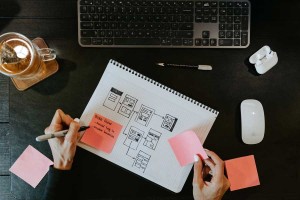
Photo by Kelly Sikkema on Unsplash
A well-designed website takes a curious or casual visitor on a journey. It might start with a finding your site on a Google search, a social media post, through on-line ads or by word of mouth. The visitor views your homepage or landing page and determines its value in a matter of seconds. If that page is successful, the visitor continues their journey to other pages. A successful visit ends with conversion. The ultimate goal of a visit is to make a sale or start a conversation, and each page has a goal to move the visitor toward that ultimate goal.
Learning the path customers take through your website will give you insights into how to design each page and move them down the path to conversion. Visitors typically move through separate stages in the conversion process, including:
- Curiosity or Awareness: Is this a business worth my attention?
- Research: Determining fit. Will this business solve my problem or increase my happiness?
- Evaluation: Judging your value and gaining trust.
- Deciding to purchase: Is the purchase process easy, safe, quick and guaranteed?
- Establishing a relationship: Offering a way to stay in touch, via email or text.
Visitors move from one website page to another. If the page content and design engages them and they are given a clear call to action button, they will proceed to the next stage. Each page should have a goal. It should contain messages and design elements that serve the needs of the visitor at each stage. Additional pages on the site supplement or reinforce the messages, such as pages introducing the staff, a history of the business, awards or professional affiliations and testimonials. Communications pages, such as blogs and a “contact us” page build credibility along the visitor’s journey.
E-commerce Sites
Take an e-commerce example of a business that sells shoes. If the target customer is someone looking for comfortable walking shoes, the home page should clearly state that you have them. Photos showing samples and brief descriptions let the visitor know this site is worth pursuing. Color and design choices signal if the shoes are current-fashion oriented or timeless. Other messages might include social proof of of your product by a customer that fits your target audience, a banner displaying shipping and return policy, and the availability of customer service.
To keep the visitor engaged, a call-to-action button will take them to a product page showing a variety of comfortable shoes. Information here includes brand names, prices, color choices and availability. This page should also remind visitors of return policies, shipping intervals and the availability of customer service. Alternate product choices provide visitors with new ideas they may not have considered. Customer testimonials on this page build credibility.
Clear call-to-action buttons will continue the visitor to the purchase page. Additional incentives such as a new customer discount will keep them engaged. Incentives help build a value proposition, especially if the visitor can purchase the item from a competitor.
Along their path, direct the visitor to a page showing the history of the business and your proven expertise. It may include customer testimonials or other social proof. You can also suggest the visitor read your blog page or sign up for a newsletter to learn more about the business.
If the visitor does not make a purchase, ask for an email address to receive special offers, discounts and other incentives.
Professional Service Sites
For professional service businesses, page messages have different goals. The home or landing page goal is to establish the type of service you provide, with photos or videos to attract your target customer base. For example, a kitchen design firm might show photos of high design, custom kitchens or functional, practical, budget conscious kitchens to appeal to the target customer. The content should use words to appeal to the target, such as experience, quality, custom, and design expertise. As visitors go through the stages of their journey, guide them to pages that establish credibility through testimonials, trust through guarantee and proof of insurance, customer service contacts and staff descriptions. Successful conversions will include a request for quotes or a call for more information.
As you design each page of the website, consider which stage the visitor will be in when they land on it. Will they have a clear idea of what they want, or will they be open to choices? Have they learned enough about your business to feel they can trust you? Or do they need additional information first? Can they easily know where to click to get to the next stage in the process?
For each page, the message should be clear and concise, and include a call to action. For each page, consider:
- How to better display the messages you want customers to see. Photos with concise captions work well, along with a design aimed at appealing to your target customer.
- How to better guide them from one page to another – call-to-action buttons to move them, social proof, competitive analysis, anything to answer doubts about purchasing; expertise, quality, price and reliability.
- How to keep them engaged through the purchase and beyond – no barriers to progress, payment options, return policy, shipping info, other purchase options for comparison, shipping policies.
Designing your small business website can be overwhelming. But if you consider the customer journey, create pages for each step of the journey and then identify goals for each page, the design process becomes doable. You can find sample graphic depictions of customer journeys on the web or create your own spreadsheet. Wheaton Website Services is an expert at creating websites for all types of businesses. Contact us to learn how we help small businesses design successful websites to meet their conversion goals.
Leave A Comment